Inside the Billionaire Doomsday Mindset
What's the endgame? Their plan only works if they never think past the first act. And THAT is what 'ego at altitude' does. So it's not that they know about some secret threat. It's that they've confused survival with escape.
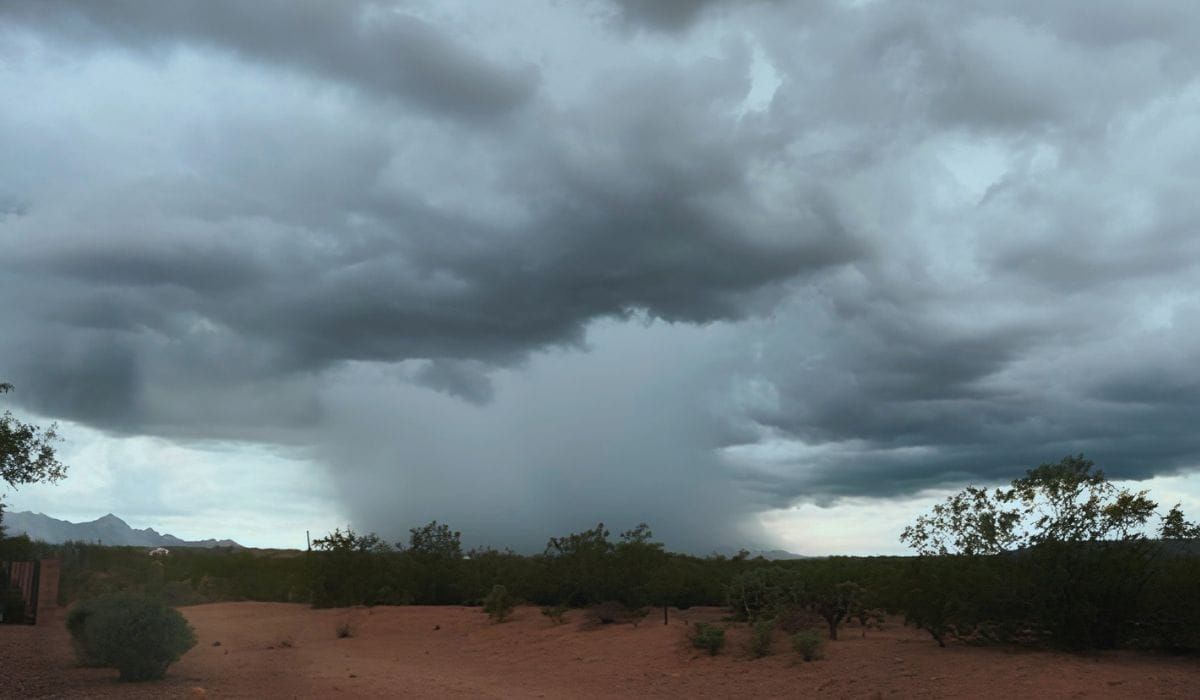
Why the Rich Are Building Bunkers, and Why We Don't Need One
The richest people on earth are digging bunkers and selling us rockets, but: what is the endgame here?
I was listening to an interview with Naomi Klein about what she and Astra Taylor call "end times fascism," and it put words to something I've been circling for a while. Billionaires are building shelters deep underground. Elon Musk talks about colonies on the Moon and Mars as if they're a few product cycles away. Meanwhile the rest of us are watching the weather get stranger and wondering who, exactly, these escape hatches are for.
Because when you think it through, it doesn't add up. There's no time to get to the Moon. A bunker doesn't save you from a failing planet. And if they're talking about theories like aliens or fallen angels, bunkers are not going to save them from that either. So they're either preparing for something the rest of us don't know about, or they're deluding themselves. I think the honest answer is the latter and something else underneath it that matters more.
What the elites are doing. This isn't a conspiracy theory. Most of it is on the record.
- Bunkers and compounds. Mark Zuckerberg's estate on Kauai reportedly includes an underground shelter. Peter Thiel quietly obtained New Zealand citizenship years ago, and New Zealand became a favorite bolt-hole for Silicon Valley money. Companies sell luxury "survival condos" in old missile silos.
- Space as the exit. Musk has spent years saying humanity must become "multiplanetary" to survive, and the pitch for Mars and the Moon is framed as a backup copy of civilization. He frames it as if we are moving to a new state.
- Planning for "The Event." Media theorist Douglas Rushkoff tells the story in Survival of the Richest of being paid to advise a handful of extremely wealthy men about their collapse plans. Their biggest question wasn't air filters or food storage. It was how to keep their armed security guards loyal once money stopped meaning anything.
Think about that for a second. Who will remain loyal when the money stops meaning anything?
Klein and Taylor's argument ties these together. As I understand it, they say part of the political and tech elite have quietly accepted that catastrophe is coming. Rather than spend their power preventing it, they're planning to wall themselves off from it. "End times" because of that acceptance of collapse. "Fascism" because once you decide some people get saved and others don't, you end up with hard borders, private armies, and a ranking of who is worth protecting.
Why are they're doing it? I believe there are four ordinary reasons stacked on top of each other.
1. It's cheap insurance. For someone worth tens of billions, a fortified compound costs about what a fire extinguisher costs us. Buying one doesn't mean they know something we don't. It means they can afford to hedge against everything.
2. They're afraid of us. A bunker isn't built to outlast a dead planet. It's built to ride out a temporary breakdown: a pandemic, a grid collapse, a war, a crash that turns into unrest. So yes, in a real sense, they are building against regular people. Disaster researchers have a name for this: "elite panic," the assumption by people in power that the public will turn into a dangerous mob the moment order slips.
3. Ego. I've written before about what massive ego does to a person's brain. When you've been able to buy your way out of every problem your whole adult life, you stop being able to imagine a problem you'd have to solve with everyone else. You believe that know one else is smarter than you.
4. A story where they're the heroes. Mars and the Moon make no sense as lifeboats. Both are far more hostile than the worst version of a damaged Earth, and fixing this planet is enormously easier than terraforming another one. But as a story, it works beautifully. And how many times have I talked about 'stories that work'? These stories are built to keep us in place - one mindset - that we are lesser-than. It turns the richest people alive into the saviors of the species, and it makes the future something you escape to instead of something you're accountable for.
So what's the endgame? They don't have one. A bunker keeps you alive for months, maybe a couple of years if they're lucky. Then you have to come out. You come out into the world you didn't help fix, surrounded by the people you need to grow food, run power, and guard the door, and who now have every reason to resent you. Their plan only works if they never think past the first act. And THAT is what 'ego at altitude' does (see my last post about Apple and Adobe). They believe that throwing ego and money at something fixes it.
I write about the music industry machine a lot and this is a mirror of what is going on. This industry, backed by private equity only interested in profit throws the biggest money on the surest bet - at some celebrity trying to build a story that is temporary, at best. It doesn't survive unless it is constantly fed because the underlying truth is non-existent.
So it's not that they know about some secret threat. It's that they've confused survival with escape. I don't think the honest picture is that the Earth is about to become uninhabitable. Climate change is serious and already doing real harm (and we should prepare for more), but the realistic future is a harsher, more unequal world, not a dead one. That makes the bunker mentality more dangerous, not less. The real risk isn't the planet ending. It's things getting worse unevenly, while the people with the most power to change course have privately decided their own exit is good enough. But the irony is that it's not really an exit. It's just a different room with taller walls.
What are our options? Our answer isn't a bunker of our own. It's the opposite.
Refuse the fatalism. If the story is "collapse is inevitable" then trying to fix anything looks naive, and the only rational move is to grab what you can. They want you to act like they do.
Brave people believing their courage is pointless is the best outcome they could ask for. They want us that way, and it's the story they keep playing. Rejecting that framing isn't wishful thinking. It's refusing a premise written by people who benefit from you accepting it.
Remember what people actually do in a crisis. The bunker worldview assumes ordinary people turn on each other when things fall apart. The evidence says the opposite. In earthquakes, floods, and blackouts, people mostly organize, share, rescue strangers, and run their own shelters. Rebecca Solnit documents case after case of this in A Paradise Built in Hell.
The real resource in a disaster is the people around you, which is exactly what a bunker shuts out.
Connect your bravery to other people's. One brave person against a narrative machine usually loses. Brave people connected to each other are a different force. Change has always come from groups that persist - communities that build their own food, energy, and support systems. It doesn't trend, which is why it gets drowned out. But it's the one thing a bunker can't buy, because it runs on trust, good will, honest intentions, empathy for others, and a humanity the billionaires lost while propping up their egos.
Tell the better story. The elites have the bigger megaphones, but their story has a weak spot: it's about escape, and escape isn't appealing to most people. "We can make the place we live better, together" is the stronger story. It just gets told less, and less loudly. Telling it well, with specifics and real examples instead of vague hope, matters more than we think. It decides whether people feel there's anything worth trying. It gives hope and encouragement.
For the brave ones
If you've felt like your courage doesn't matter because the people at the top drown out every other story, I understand. I've felt it too. But look at what their plan actually is: dig a hole, pull the door shut, and hope the rest of us are too stupid to figure anything out.
They didn't find a way out. They gave up and called it strategy. The rest of us still have the thing they walled themselves away from: each other. The people telling you nothing can be done are the ones who decided not to do anything.
I wrote this because of my concerns lately, not to sell anybody anything, but I have strong connections with someone who has built these kinds of communities before. So if you want information let me know.
Further reading
- Naomi Klein and Astra Taylor, "The rise of end times fascism," The Guardian (2025)
- Douglas Rushkoff, Survival of the Richest (2022)
- Rebecca Solnit, A Paradise Built in Hell (2009)